Ines Dubois, your Osteopath
What is Osteopathy?
Osteopathy is a hands-on and holistic therapy that considers the body as a whole. After a careful assessment, osteopaths use a gentle manual treatment to restore mobility and support optimal function of joints, tissues, and organs. This approach encourages the natural balance and self-regulation of the body. Treatment involves a variety of manual techniques tailored to the patient’s needs and presenting complaint. At the end of the session, personalised advice and tailored exercises are given to empower patients to take an active role in their recovery.
Who is Osteopathy For?
Osteopathy is suitable for people of all ages, including adults, adolescents, children, infants, and women during pregnancy and the postnatal period.
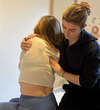
Conditions Commonly Treated
- Back pain ( lower back pain, sciatica...)
- Neck pain (cervical pain, torticollis, radiculopathy...)
- Hip and pelvic pain
- Knee pain (runners knee, meniscal pain...)
- Sports-related injuries (sprains, tendinopathies)
- Falls, post-fracture recovery, whiplash associated disorder ...
- Digestive concerns: bloating, reflux, difficult digestion, irritable bowel syndrome
- Headaches (migraines, tension-type headaches, sinusitis...)
Osteopathy for Women's health:
Osteopathy can provide gentle support throughout the different stages of a woman’s life: from adolescence to menopause. Common causes for consultation are as follows:
- Musculoskeletal and neurological pain: pelvic pain, low back pain, rib pain...
- Digestive issues related to pregnancy or post-partum: Nausea and heartburn
- Circulatory issues such as leg swelling
- Rib and mid-back pain causing breathlessness
- Headaches
- Support for cesarean section scar mobility
- Menstrual pain (dysmenorrhea) and conditions such as endometriosis.
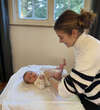
Osteopathy for newborns and children
Osteopathy uses extremely gentle and adapted techniques to support new borns and children, particularly in cases of:
- Head preference or head flattening (plagiocephaly)
- Excessive crying, restlessness, sleep disturbances
- Difficulty latching or swallowing
- Digestive discomfort such as regurgitation, colic, difficulty burping, or frequent hiccups
- Premature birth or assisted delivery (forceps or vacuum extraction)
- Recurrent ear infections
My Background
I trained in England for four years, where I obtained a Master’s degree in Osteopathy from the European School of Osteopathy (Maidstone, UK). I then completed a two-year training program in nutrition at CERDEN to deepen my understanding of the human body and its functioning in regards of nutrition.
This background allows me to offer a holistic approach tailored to the specific needs of each patient.
To keep providing high-quality care and stay up to date with scientific advances, I regularly take courses, especially in women’s health and perinatal care.
Alongside my clinical practice, I also lead workshops focused on women’s health and perinatal care, with the aim of educating patients, helping them better understand the human body, and encouraging autonomy and self-confidence.
My approach is based on attentive listening and a thorough understanding of your personal journey in order to identify the source of your pain. Treatment focuses on a global and effective approach, addressing the different systems of the body to restore balance and relieve pain. Education about pain and how the body functions is also an integral part of each consultation, empowering you to become more autonomous in your care journey. This may include targeted exercises and lifestyle changes.
